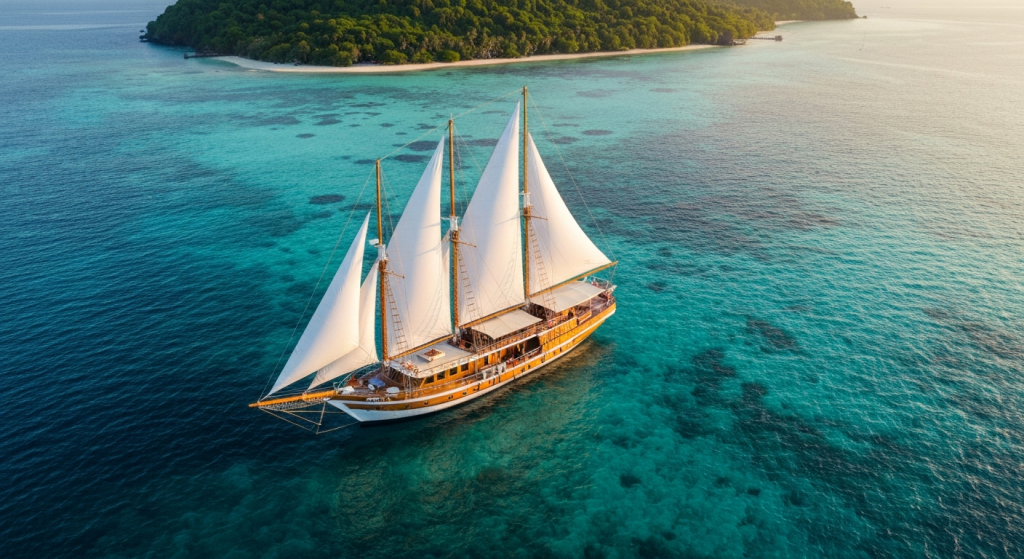
The waters surrounding Bali are home to a thriving marine ecosystem, notably recognized for regular manta ray encounters. These majestic cartilaginous fish, specifically the reef manta (Mobula alfredi) and occasionally the larger oceanic manta (Mobula birostris), frequent cleaning stations and feeding grounds near the Nusa Islands. Reef mantas in Balinese waters typically exhibit wingspans of 3 to 4 meters, with some individuals reaching over 5 meters. The region is particularly significant for manta ray conservation, being part of a larger marine protected area established in 2014. According to marine biologists, the year-round presence of mantas near Nusa Penida is a consistent ecological feature, with specific periods offering heightened sighting probabilities due to seasonal plankton blooms and breeding patterns.
Understanding Bali’s Manta Ray Season
Bali experiences two primary seasons: the dry season from April to October and the wet season from November to March. Manta ray sightings, however, are consistently high throughout the year in specific locations. Peak season for manta ray encounters generally aligns with the dry season, particularly from April through October. During these months, calmer seas and optimal visibility, often exceeding 20 meters, enhance snorkeling and diving conditions. The highest probability for sightings typically occurs between July and September, driven by favorable ocean currents that concentrate plankton, the manta rays’ primary food source.
Even during the wet season, manta rays remain present. Local operators report an average of 80-90% sighting success rate at key locations like Manta Point, even outside peak months. Water temperatures remain relatively stable, ranging from 26°C to 29°C year-round. A 7-day Bali Yacht Week itinerary frequently incorporates dedicated time for these encounters, ensuring guests have multiple opportunities to observe these creatures in their natural habitat.
Prime Manta Ray Sightings Locations Near Bali
The Nusa Islands, comprising Nusa Penida, Nusa Lembongan, and Nusa Ceningan, form the core of Bali’s manta ray habitat. Manta Point, located on the southwestern coast of Nusa Penida, is the most renowned site. This location serves as a crucial cleaning station where smaller fish remove parasites from the mantas. It is approximately 15-20 minutes by yacht or fast boat from the main bays of Nusa Lembongan.
Another significant site is Manta Bay, a shallower area also on Nusa Penida’s coast, offering calmer conditions suitable for snorkelers. Crystal Bay, also on Nusa Penida, occasionally hosts mantas, though it is more famous for its sunfish (Mola Mola) sightings during specific months. A typical Bali Yacht Week charter for 10 people often dedicates a full day to exploring these Nusa Penida marine sites, ensuring ample time for observation and photography.
Maximizing Manta Ray Encounters During Your Bali Yacht Week
To optimize manta ray sightings during your Bali Yacht Week, timing and local knowledge are crucial. Early morning excursions, typically departing around 08:00 AM, often yield the best results as mantas are more active feeding and visiting cleaning stations. Experienced skippers, essential for any private Bali yacht week charter, possess detailed knowledge of current patterns and manta behavior. Visibility at Manta Point can vary, but clear conditions are common, providing excellent photographic opportunities for guests on a luxury catamaran with cabins ensuite.
Choosing a charter with a flexible itinerary allows for adaptation to real-time conditions. Reputable Bali Yacht Week operators maintain communication with local dive guides and marine spotters to increase success rates. For example, a 7-day Bali Yacht Week itinerary might schedule two separate visits to Manta Point to account for natural variability. The cost for a couple for a Bali Yacht Week including such activities starts from approximately USD 1,000 per person for a shared cabin option.
Types of Manta Rays in Balinese Waters
Two species of manta rays inhabit the waters around Bali: the reef manta (Mobula alfredi) and the oceanic manta (Mobula birostris). Reef mantas are the more commonly sighted species, characterized by their smaller size, typically reaching a wingspan of 3 to 4.5 meters. They are resident to coastal waters and coral reefs. Oceanic mantas are considerably larger, with wingspans that can exceed 7 meters, and they are pelagic, meaning they live in open ocean waters.
The distinctive markings on their ventral side (underside) are unique to each individual, akin to a human fingerprint, and are used by researchers for identification and population monitoring. Both species are filter feeders, consuming large quantities of zooplankton. The conservation status of both reef and oceanic mantas is listed as “Endangered” by the International Union for Conservation of Nature (IUCN), underscoring the importance of responsible tourism. More information on manta ray species can be found on Wikipedia.
Responsible Manta Ray Interactions and Conservation
Interacting with manta rays requires adherence to strict guidelines to protect these vulnerable species and their habitat. The Indonesian government, through the Ministry of Marine Affairs and Fisheries, has implemented regulations to safeguard marine life, including mantas. These guidelines include maintaining a minimum distance from the animals (typically 3-5 meters), avoiding touching them, and refraining from chasing or obstructing their path. Flash photography is also discouraged as it can disorient them.
Bali Yacht Week operators are committed to eco-friendly practices, often incorporating elements like waste management protocols and supporting local conservation initiatives. Some charters even offer options for a Bali Yacht Week eco friendly yacht carbon offset, contributing to sustainable marine tourism. These efforts align with broader conservation goals for the Nusa Penida Marine Protected Area, a vital sanctuary for numerous marine species, as detailed by Indonesia.travel.
Planning Your Manta Ray Focused Bali Yacht Week Itinerary
A 7-day Bali Yacht Week itinerary that prioritizes manta ray encounters offers a blend of marine adventure and island exploration. Guests typically board their chosen vessel, ranging from entry-tier shared cabin options to luxury 50-70ft catamarans, in Bali. The journey often begins with a sail to the Nusa Islands, approximately 15-20 nautical miles southeast of Bali’s mainland. The first full day is frequently dedicated to Nusa Penida’s iconic spots, including Manta Point and Manta Bay. This provides the best chance for multiple sightings.
Subsequent days can include snorkeling in Crystal Bay, exploring the vibrant reefs of Nusa Lembongan, and visiting cultural sites ashore. A private Bali yacht week charter for 10 people offers flexibility for repeat visits to manta locations if conditions are particularly favorable. For those considering an extended trip, a Bali Yacht Week Komodo extension 10 days can further enhance marine wildlife opportunities, including encounters with Komodo dragons and diverse coral reefs. The “all inclusive Bali yacht week with crew” packages typically cover all necessary permits and guide services for these activities.
Essential Tips for Manta Ray Encounters:
- Choose an experienced skipper and crew with local knowledge of manta ray behavior and preferred locations.
- Opt for morning excursions; manta rays are generally more active at cleaning stations earlier in the day.
- Maintain a respectful distance of at least 3 meters from mantas to avoid disturbing their natural behavior.
- Avoid touching, chasing, or blocking the path of manta rays.
- Use reef-safe sunscreen to protect marine ecosystems from harmful chemicals.
- Listen carefully to your guide’s briefing on responsible interaction protocols.
- Ensure your snorkeling or diving gear is well-maintained and fits correctly for comfort and safety.
- Bring an underwater camera with no flash for capturing memories without disturbing the animals.
- Consider a Bali Yacht Week package that includes a marine biologist or dedicated naturalist for deeper insights.
- Be patient; while sightings are highly probable, marine life is unpredictable.
- Support operators who demonstrate commitment to marine conservation and sustainable tourism practices.
Observing manta rays in their natural habitat is a highlight for many visitors to Bali. The consistent presence of these gentle giants around the Nusa Islands, combined with a dedicated Bali Yacht Week experience, provides an unparalleled opportunity. Whether opting for a mid-range private group charter or a luxury catamaran, guests can expect well-organized excursions focused on responsible wildlife interaction. For detailed pricing on a Bali Yacht Week price per person 2026, including options for various group sizes and vessel types, please visit our pricing page. Explore our diverse fleet, including options for a luxury catamaran with cabins ensuite, to plan your unforgettable marine adventure. Discover more about our 7-day Bali Yacht Week itinerary and prepare for an extraordinary encounter with Bali’s magnificent manta rays.